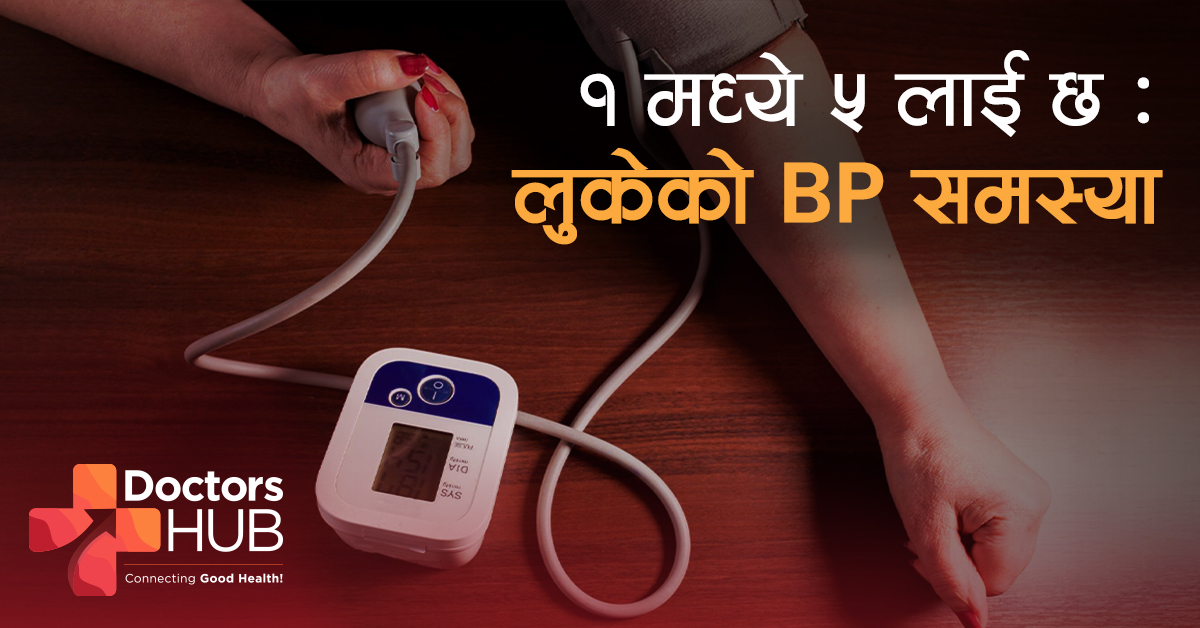
Why So Many Nepalis Over 30 Have High Blood Pressure — And Don't Know It
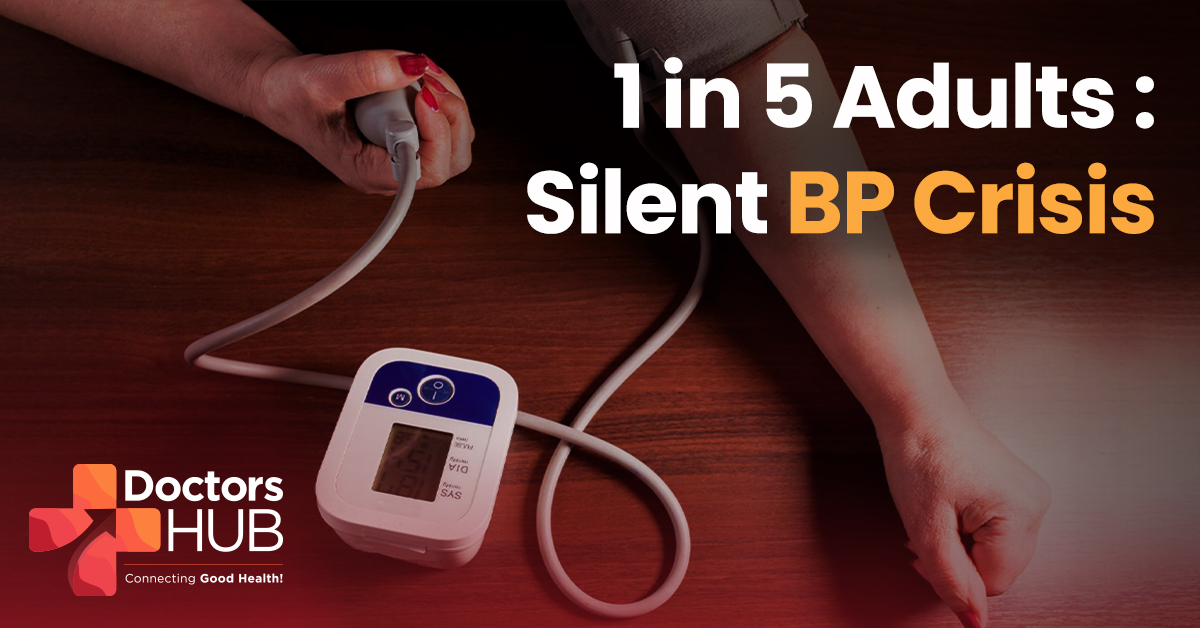
The Silent Health Crisis Growing Across Nepal
Imagine this.
A 38-year-old businessman in Kathmandu wakes up at 6 a.m. He feels perfectly normal.
He drinks a cup of milk tea before leaving home. He spends most of his day sitting in traffic, attending meetings, and managing deadlines. Lunch is usually eaten outside—perhaps a plate of chowmein, momo, or dal bhat with extra achar. Exercise is something he keeps promising himself he will start next month.
At night, he returns home tired, scrolls through social media, watches television, and sleeps after midnight.
Nothing seems unusual.
He has no fever.
No pain.
No obvious illness.
No reason to visit a doctor.
Yet inside his body, something dangerous may already be happening.
His blood pressure could be 150/95 mmHg.
Or 160/100 mmHg.
Or even higher.
He may not know it.
His family may not know it.
His friends certainly do not know it.
And unless he checks his blood pressure, the condition could remain hidden for years—until the day it causes a stroke, heart attack, kidney failure, or another life-changing emergency.
This is the reality of hypertension in Nepal.
And it is becoming one of the country's most serious health challenges.
Why Doctors Call High Blood Pressure the "Silent Killer"
Most diseases announce their arrival.
A cold causes sneezing.
Food poisoning causes stomach pain.
A fracture causes severe discomfort.
High blood pressure is different.
In most cases, hypertension produces no symptoms at all.
A person can work, travel, exercise, laugh, and live normally while elevated pressure slowly damages blood vessels throughout the body.
This is why hypertension has earned a frightening nickname worldwide:
The danger is not that blood pressure suddenly becomes high overnight.
The danger is that it often remains high for years without detection.
During those years, the heart works harder than it should.
The arteries become damaged.
The kidneys begin to suffer.
The brain becomes increasingly vulnerable to stroke.
By the time symptoms finally appear, significant damage may already have occurred.
High Blood Pressure Is No Longer a Disease of Old Age
Many Nepalis still believe hypertension is something that affects only people in their 60s or 70s.
Unfortunately, that belief is no longer true.
Across Nepal, doctors are increasingly diagnosing hypertension in people in their 30s, 40s, and 50s.
Several major changes have contributed to this trend:
- More sedentary jobs
- Increased screen time
- Less daily physical activity
- Growing consumption of processed foods
- Rising obesity rates
- Increased stress levels
- Poor sleep habits
- Higher tobacco and alcohol exposure
Nepal today looks very different from the Nepal of previous generations.
Our grandparents often walked long distances daily, worked physically demanding jobs, and consumed fewer processed foods.
Modern lifestyles have brought many conveniences, but they have also introduced new health risks.
One of the biggest is hypertension.
What the Research Says About Hypertension in Nepal
Hypertension is not merely an individual problem—it is a national public health issue.
According to analyses of the Nepal Demographic and Health Survey (NDHS), approximately 18% of adults aged 15–69 years have hypertension.
However, prevalence rises significantly with age.
Among adults over 30 years, rates increase substantially, making middle-aged Nepalis one of the highest-risk groups in the country.
Even more concerning is the issue of awareness.
Research has shown that many Nepalis living with hypertension do not know they have it.
In one nationally representative analysis, only around one-third of hypertensive individuals were aware of their condition.
This means thousands of people are living every day with elevated blood pressure while believing they are completely healthy.
From a public health perspective, undiagnosed hypertension is particularly dangerous because treatment cannot begin until the disease is detected.
Why So Many Cases Go Undetected
1. Hypertension Usually Has No Symptoms
This is the single biggest reason.
Many people assume:
"If my blood pressure were high, I would feel it."
Unfortunately, that assumption is incorrect.
A person can have severely elevated blood pressure without experiencing headaches, dizziness, chest pain, or any other warning signs.
Many patients first discover they have hypertension during:
- Routine health checkups
- Pre-surgical evaluations
- Workplace screenings
- Medical emergencies
Without regular screening, diagnosis may be delayed for years.
2. Preventive Health Culture Is Still Developing
In Nepal, many people visit healthcare facilities only after becoming sick.
Preventive health checkups remain relatively uncommon.
Unlike annual vehicle inspections, there is often no routine system encouraging adults to check blood pressure regularly.
As a result, many individuals discover hypertension only after complications have already developed.
3. Busy Lifestyles Create False Confidence
Modern life is demanding.
Many working adults feel that because they remain productive, they must also be healthy.
A person may work 10 hours daily, travel frequently, and support an entire family.
They may assume:
"I don't have time to be sick."
Unfortunately, hypertension does not care how busy someone is.
In fact, chronic stress, inadequate sleep, and poor lifestyle habits can increase risk.
4. Hypertension Develops Gradually
High blood pressure rarely appears overnight.
It usually develops slowly over many years.
Because the increase is gradual, the body adapts and individuals rarely notice changes.
This gradual progression makes regular monitoring essential.
What Happens Inside the Body When Blood Pressure Remains High?
To understand why hypertension is dangerous, imagine a garden hose.
If water flows through the hose under excessive pressure every day for years, the hose begins to weaken.
The same principle applies to blood vessels.
Blood vessels are designed to handle normal pressure.
When pressure remains elevated:
- Artery walls become damaged
- Blood vessels stiffen
- Plaque builds up more easily
- Blood flow becomes compromised
- The heart must work harder
Over time, this increases the risk of serious disease throughout the body.
The Connection Between Hypertension and Stroke
Stroke remains one of the leading causes of disability and death worldwide.
High blood pressure is the single most important modifiable risk factor for stroke.
When blood pressure remains uncontrolled:
- Blood vessels in the brain may become blocked
- Blood vessels may rupture
- Brain tissue may lose oxygen
The consequences can be devastating:
- Paralysis
- Speech difficulties
- Memory impairment
- Permanent disability
- Death
Many strokes occurring in middle age could potentially be prevented through earlier detection and management of hypertension.
The Impact on the Heart
Your heart is a muscle.
Like any muscle, it responds to increased workload.
When blood pressure remains elevated, the heart must pump harder to move blood throughout the body.
Initially, the heart compensates.
Over time, however:
- Heart muscle thickens
- Coronary artery disease risk rises
- Heart failure risk increases
- Heart attack risk increases
This is one reason cardiologists pay close attention to blood pressure readings, even when patients feel perfectly healthy.
The Impact on Kidneys
Many people do not realize that hypertension and kidney disease are closely linked.
The kidneys contain millions of tiny blood vessels responsible for filtering waste products from the bloodstream.
Persistently elevated blood pressure can damage these delicate structures.
As damage progresses:
- Kidney function declines
- Waste products accumulate
- Chronic kidney disease develops
- Dialysis may eventually become necessary
Protecting blood pressure means protecting kidney function.
Who Is Most at Risk?
Certain factors significantly increase the likelihood of developing hypertension.
Age
Risk increases steadily with age.
Family History
If parents or siblings have hypertension, risk is higher.
Obesity
Excess body weight forces the cardiovascular system to work harder.
Smoking
Tobacco damages blood vessels and increases cardiovascular risk.
Excess Salt Intake
High sodium consumption contributes directly to elevated blood pressure.
Physical Inactivity
Lack of exercise weakens cardiovascular health.
Diabetes
People with diabetes face substantially higher cardiovascular risk.
Chronic Stress
Long-term psychological stress can contribute to unhealthy habits and elevated blood pressure.
Foods That May Be Contributing to the Problem
Many foods commonly consumed in Nepal can contribute to excessive sodium intake.
These include:
- Instant noodles
- Packaged snacks
- Chips
- Processed meats
- Restaurant foods
- Fast foods
- Pickles (achar)
- Highly salted traditional snacks
The challenge is that many people underestimate how much salt they consume daily.
A person may never add extra salt at the table yet still exceed recommended sodium intake through processed foods alone.
How to Prevent High Blood Pressure
The encouraging news is that hypertension is one of the most preventable chronic diseases.
Move More
Aim for at least 150 minutes of moderate physical activity each week.
Walking remains one of the simplest and most effective options.
Pay attention to processed foods and restaurant meals.
Maintain a Healthy Weight
Even modest weight reduction can improve blood pressure significantly.
Eat More Fruits and Vegetables
A diet rich in potassium-containing foods supports cardiovascular health.
Stop Smoking
Few interventions provide greater cardiovascular benefits.
Limit Alcohol
Moderation matters.
Sleep Better
Adults should generally aim for 7–9 hours of quality sleep.
Manage Stress
Regular exercise, mindfulness, meditation, and social support can help.
Check Blood Pressure Regularly
This may be the most important recommendation of all.
You cannot control what you do not measure.
The Most Important Message Every Nepali Adult Should Remember
Hypertension does not always cause symptoms.
It does not always produce pain.
It does not always provide warning signs.
But it can quietly damage the heart, brain, kidneys, and blood vessels for years.
A simple blood pressure measurement takes less than five minutes.
That five-minute test could reveal a problem early enough to prevent a stroke, heart attack, kidney failure, or premature death.
If you are over 30, have never checked your blood pressure, or have not checked it recently, consider making it a priority.
Sometimes the most dangerous health problems are not the ones we can feel.
They are the ones we cannot.